Barbie and the Marketing Machine
Love it or loathe it, the new Barbie Movie has created a pop-culture stir. In the first 2 days of its release, Barbie’s box office debut generated $337 million for its creators – which makes it the biggest movie opening ever for a female director, and the biggest ever movie opening for a movie based on a toy. Now, I wouldn’t shy away from calling it a phenomenon at this point. Barbie Pink (HEX colour ref #e0218a – you’re welcome!) is splashed everywhere online, and across numerous areas of the real world too. It’s part of what has made the Barbie Movie a smash in the cinema. The movie is backed by a full-on multi-media marketing blitz, and Margot Robbie is undeniably (for now) the face of Barbie. As Head of Creative and a fond fan of the brand, I've been handed the task in Youbee Media to delve deeper into Barbies long and impressive history. At Youbee, our marketing consultancy, social media management, and creative workshops are all built around understanding how iconic brands like Barbie continue to evolve
Barbie’s Marketing Wins
Barbie has been in our lives for 60 years, making her a recognisable icon for most people. Mattel has always been a master of marketing, and they have used a variety of channels to promote Barbie over the years. These include TV commercials, print ads, social media, and product placement. Mattel’s consistent focus on social media management has kept Barbie relevant to new audiences online, using platforms like Instagram and YouTube to showcase her evolving story. In 2017, Mattel spent an estimated $300 million on marketing Barbie. This included spending on a Super Bowl commercial, print ads in major magazines, and social media campaigns. Now, with that kind of budget – it’s no wonder that Barbie is a household name.
To make sure the Barbie Movie resonates with a 2023 audience, the makers needed to once again think about what the audience needed to see, and what Barbie represents. Despite the pink candy-kitsch style, the movie is threaded with questions, self-reflection, and a contemporary cultural awareness. And this is what makes this new iteration of Barbie so glorious. She’s still Barbie – but she’s pivoted. Once again, the doll has gone in a new direction, reinventing herself and gaining a new lease of life.
Since Barbie’s creation way back in 1959, she’s been a controversial figure, creating possibilities in the minds of young girls – while also limiting many of them to narrow beauty standards. I like to think that Barbie’s positive message has outweighed her negative impact over the years. Although Barbie’s evolution has been gradual, it’s been steady enough to keep her relevant over six decades.
Some of Barbie’s well timed collaborations have also proven to be a huge success. Barbie has partnered with a wide range of other brands, from fashion labels to fast food chains. These partnerships have helped to broaden Barbie's appeal and reach new audiences. The reinvention of Barbie isn’t something new.
Moving with the Times

Mattel has released dolls with varied skin tones and face designs over the years, starting in 1968 with a new black doll named Christie. Christie was marketed as ‘Barbie’s friend’, her Mod fashion was on point and her creation was a valuable show of support for the Equal Rights movement. However, it wasn’t until 1980 that actual Barbie dolls were given different ethnicities. The slow evolution continued but the shift was enough to keep Barbie relevant – in tandem with Barbie’s trendy looks and related merchandise.
Barbie’s independent, affluent lifestyle saw her riding high as an aspirational figure for young girls, in conjunction with marketing campaigns like 1985’s ‘We Girls Can Do Anything’ adverts (“Anything is possible as long as I try.”) Unfortunately, Barbie was still a slim, tall, unrealistically proportioned female physical ideal in the 1980’s. For many young fans, it would be easier to grow up and own and a Barbie-style aeroplane than it would be to grow up and actually look like Barbie. But still, she encouraged us to own a Dream House (with no input from Ken) so You Go, Girl!
The Mattel design team/marketing machine has made some missteps over the years (several of which are referenced in the film, tongue-in-cheek).
Mattel uses this to show that they’ve learned from previous faux pas, that they’re not afraid to laugh at themselves but that they’re now taking change seriously.
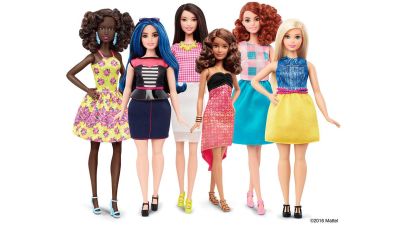
In 2016, three new body types were released: curvy, petite, and tall. The launch of these new body types landed Barbie on the cover of Time magazine, but more was to come. Now, Barbie has 35 skin tones and 94 hairstyles, featuring different hair types and textures. This inclusivity extends to Barbies and Kens who respectively have vitiligo, prosthetic lower legs, or are bald. Some Barbies are wheelchair-users, while others have cochlear implants. Many more children can now see themselves reflected in Barbie, thanks to this expanded view of who Barbie is.
Barbie's Digital and Cultural Revolution
Mattel has looked beyond pop-culture and fashion trends in the quest to keep the Barbie IP current. Technology and social media now influence us socially and economically, and Barbie has come along for the ride. The @barbiestyle Instagram account launched in 2014, and currently has 2.5 million followers. It looks bright and beautiful, with its content echoing that of a genuine influencer – though there’s a gentle self-depreciating humour that makes it additionally appealing. Full points for Tone of Voice, as well as visuals!
Barbie morphed to an animated form in 2015 to become a Vlogger. Her YouTube account spoke directly to girls about issues including depression and bullying – and notably shone a light on how girls have a habit of saying ‘Sorry’ when they have nothing to apologise for! (#relatable).
Fast-forward to 2023, and this positive momentum has continued. You can buy Barbie dolls that will practice meditation and yoga with you, or who are ready for a session in a self-care spa!
It’s estimated that over 1 billion Barbie dolls have been sold since the brand's inception, making Barbie the most popular fashion doll every produced and evidencing her power to evolve and grow.
We expect to see much more from Barbie as the brand evolution continues.
At Youbee Media, we help brands reinvent themselves through marketing consultancy that builds authentic, trend-aware strategies, just like Barbie’s modern transformation.
In the meantime, we're giving a strong nod to recognition to the team that's continued to absorb feedback, identify what audiences want, and make changes in accordance with what works. Bravo to Barbie's marketing machine!