So, you think you can casually drop a LinkedIn post at 2am and rack up record-breaking engagement?
You thought wrong!
Like other social media platforms, LinkedIn has its own sweet spots when your posts stand a better chance of getting liked, shared, or at least glanced at longer than half a second.
Let’s dive into why timing matters, how to identify your target audience’s habits, and what you can do to make the LinkedIn algorithm adore you.
Understanding the Importance of Timing on LinkedIn
LinkedIn is not your average social network. It’s the place people (and their bosses) visit to feel all professional, share industry news, and occasionally brag about achievements. Timing your content right can make the difference between your post going viral with your business network, or being lost in the digital abyss.
- Algorithm Basics
LinkedIn’s algorithm prioritises fresh and relevant content. Translation: if your post sparks immediate engagement, the platform will push it to more people’s feeds. Think of it as an exclusive party: your content needs a few enthusiastic guests early on, or the bouncer (aka the algorithm) won’t let you in. - Audience Routines
Users typically check LinkedIn during standard business hours or, let’s be honest, whenever they’re bored in a meeting. Lunchtime scrolling is common too, because who doesn’t love a side of networking with their sandwich?
Identifying Your Target Audience
Before deciding you’ll post at precisely 7am every Wednesday, it helps to know who you’re actually trying to reach. LinkedIn is home to all sorts of people: freelancers, CEOs, job seekers, recruiters, and that cousin who only logs in once every six months.
- Time Zones Are a Thing
If you’re aiming for a global audience, your 9am might be someone else’s midnight. Plan accordingly. - LinkedIn Analytics
Yes, LinkedIn has analytics. Use them. See when people are actually interacting with your previous posts. If all your likes and comments come in mid-morning, that’s your new prime time.
Best Time to Post on LinkedIn in 2025
There’s no universal “perfect” time, but the general consensus is that weekday mornings and mid-mornings (7am to 11am) do pretty well, particularly on Tuesdays and Thursdays.
- Business Hours
People love peeking at LinkedIn during work. Maybe it’s the thrill of trying not to get caught. So posting between 7am and 4pm can be your best bet for eyeballs. - Experiment Like a Scientist
Don’t just rely on “expert” wisdom. Try different slots, track the results, and note where you get the highest engagement. Your audience might be night owls or early birds. Who knows until you test?
Content Strategy for Maximum Engagement
Okay, so you’ve nailed down when to post. Now let’s make sure you’re actually posting stuff people care about.

- Carousels, Videos, and Images
Carousels are fantastic for sharing step-by-step guides or showing off a project timeline. If you take the time to turn your carousel into a PDF - you've got a mini digital brochure for your audience to flick through. Video content can also work wonders if it’s relevant and doesn’t drag on longer than a Monday morning meeting. - Mix It Up
Don’t bore your audience with the same content every day. Alternate between industry tips, personal stories, and yes, you can slip in a promotional post—just don’t overdo it. - Hashtags Matter
A few carefully chosen hashtags can put your content in front of people who aren’t already in your network. Just make sure they’re relevant and spelled correctly.
Highlight your post and involve your network by tagging them into your post.
LinkedIn Engagement and Algorithm
The LinkedIn algorithm is like a nosy neighbour; it notices how many people are commenting, liking, or sharing your post in the first few hours. If the platform sees a flurry of activity, your post might grace more feeds, giving you that sweet spike in views.
- Immediate Reactions
Ask a thought-provoking question or include a poll that invites people to respond. The quicker you rack up engagement, the more LinkedIn takes you seriously. - Relevance Over Randomness
If your post is about marketing strategies, tagging your random friend who’s an astrophysicist won’t help (unless they’re also into marketing). Keep things on-brand and cohesive to stay in the algorithm’s good graces.
Paid Ads for Amplified Reach
Sometimes organic reach isn’t enough, or you have a special announcement that needs all the eyes it can get.
- LinkedIn's Advertising Platform
You can target ads based on industry, job title, location, and more. Yes, it costs money, but it might be worth it if you’re aiming to reach a specific niche fast. - Mixed Approach
Use a combination of organic and paid strategies. Test small budgets to see if paid ads are actually getting you the ROI you want.
If you have an event you need to sell tickets to, or want to promote your message to an audience niche - paid ads can accelerate your visibility (and ticket sales).
Crafting Effective LinkedIn Posts
If you've read this far and taken it all on board - congratulations, you’ve hopefully decided on a posting time and a strategy. Now make sure you actually captivate your audience.
- Strong Hook
Start with a headline or opening line that makes people pause. Something like “My CEO said this was a terrible idea—so I tried it anyway” can do wonders. - Concise Copy
LinkedIn is a professional space, so get to the point. Overly long posts can send readers packing unless you’re spinning a truly engaging story. - Call to Action
Whether it’s “Drop your thoughts in the comments” or “Check out this case study,” direct your audience to do something. People like being told what the next step is.
Measuring Success with LinkedIn Analytics
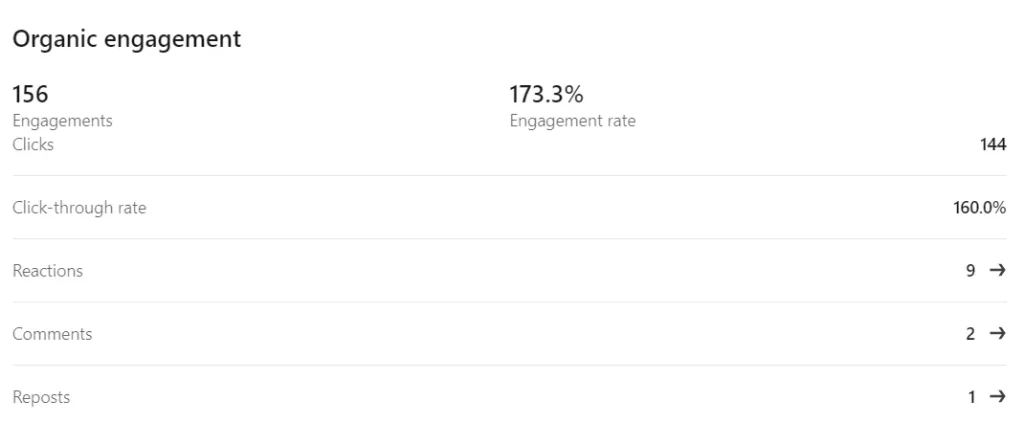
Metrics are your friend, so don’t shy away from them. What's happening with your page, and what does this tell you about what your audience likes, or dislikes?

- Engagement Metrics
Likes, comments, shares, and, if relevant, click-throughs to your website or LinkedIn page. Watch these like a hawk to gauge what’s working. What did you share that made your audience click? Did you share valuable information that your audience will come back to later?
- Audience Demographics
LinkedIn will show you who’s interacting with your content; job titles, locations, industries. If your content is missing the mark, you might need to rethink your strategy.
Frequently Asked Questions
1. When is the best time to post on LinkedIn in 2025 for maximum engagement?
The best time to post on LinkedIn in 2025 often falls within traditional business hours (roughly 7am to 4pm). However, the highest engagement frequently occurs around mid-morning (10am–11am), especially on Tuesdays and Thursdays. That said, different industries and audience behavior vary, so it makes sense to experiment with time slots to see when your specific audience is most active. Checking LinkedIn Analytics and reviewing your previous posts can help you refine your posting schedule and achieve more engagement.
2. Should I post on LinkedIn early in the morning or around lunch hours to maximise social media engagement with my target audience?
Early mornings can work if you’re targeting users who log on before they start their workday—particularly those in tech startup roles or busy corporate positions. Lunch hours (11am–1pm) are also popular, since many LinkedIn users take a quick break to check their feeds. The key is to align with your audience’s interests and time zones (e.g., eastern time zone vs. central european time). Posting early is sometimes a best bet if your audience routinely checks LinkedIn first thing, but if your audience is more active mid-day, aim for those hours instead.
3. How often should I schedule posts on LinkedIn, and what role do time zones play in my posting strategy?
Your posting frequency depends on your social media strategy and the content strategy you’ve developed. Many social media managers recommend posting 2–5 times a week for maximum engagement, though you should adjust based on your audience analytics and how your posts perform. Time zones significantly influence audience engagement—if your LinkedIn page aims to reach a global audience, scheduling posts in multiple time slots can help ensure your social media posts land when local LinkedIn users are active. Using a scheduling tool and referencing LinkedIn analytics to track engagement metrics can provide more clarity.
4. Does video content outperform text-based LinkedIn posts, and how do I track the highest engagement with LinkedIn Analytics?
Video content often generates high levels of social media engagement and can be one of the top performing posts on LinkedIn, assuming it’s relevant to your specific audience. Engaging content—be it video or text—ultimately depends on your audience’s interests, industry specific trends, and consumer behaviors. Tracking engagement metrics is straightforward with LinkedIn Analytics, which provides data on likes, comments, shares, and post views. Observing these numbers lets you adjust your content format to what resonates most, whether it’s text posts, videos, or even carousels.
5. Should I cross-post my LinkedIn content to other social platforms such as Facebook, or focus solely on LinkedIn marketing strategy?
That depends on your overall social media presence and goals. Some senior content writers and freelance writers do cross-post to reach broader audiences on platforms like Facebook, but it’s crucial to tailor your post content and messaging for each platform. LinkedIn typically rewards professional insights and in-depth discussions, while other social media platforms might require a more casual tone. Cross-posting makes sense if you adapt your content to each channel’s best practices and audience. If your main goal is to build a personal brand or strengthen a LinkedIn marketing strategy, you could focus primarily on LinkedIn users.
6. How can paid ads, industry trends, and a consistent posting frequency help build a strong personal brand on LinkedIn across different industries?
Paid ads on LinkedIn can amplify your reach to a specific audience, giving you exposure beyond your immediate network. Staying updated on industry trends (whether you’re targeting a tech startup crowd or an established corporate segment) helps you create relevant, timely content that resonates. Posting consistently ensures your LinkedIn page remains active in LinkedIn feeds, reinforcing your personal brand as a reliable source of insights. Combine a well-planned posting strategy (including optimal posting times) with paid ads and content that speaks to your audience’s pain points or interests to maximise engagement and bolster your social media strategy.
Conclusion
Finding the best time to post on LinkedIn in 2025 might feel like hitting a moving target, and to some extent, it is. Different industries, different time zones, and good old-fashioned trial and error all come into play. But don’t stress. Start with weekday mornings, observe how your audience reacts, and adjust from there. Keep your content engaging, your audience in mind, and your call to action clear. Before you know it, your posts will be racking up likes from the CEO down the hall and maybe even your cousin who only logs in twice a year. Good luck out there, and remember: the LinkedIn algorithm loves fresh, relevant posts—so give it something worth amplifying.
For social media management advice, work with Youbee Media or join one of Becky’s marketing workshops for expert consultancy support.