There’s an ongoing debate in marketing: should businesses invest their time in organic social media or put their budget behind paid advertising?
The answer isn’t as simple as choosing one or the other.
Organic and paid social media do different jobs. Used well, they can work together to increase your visibility, build trust and turn the right audiences into customers. But that doesn’t mean every business should split its budget equally between the two.
If you’re deciding where to invest your marketing budget in 2026, here’s what you need to know.
What is organic social media?
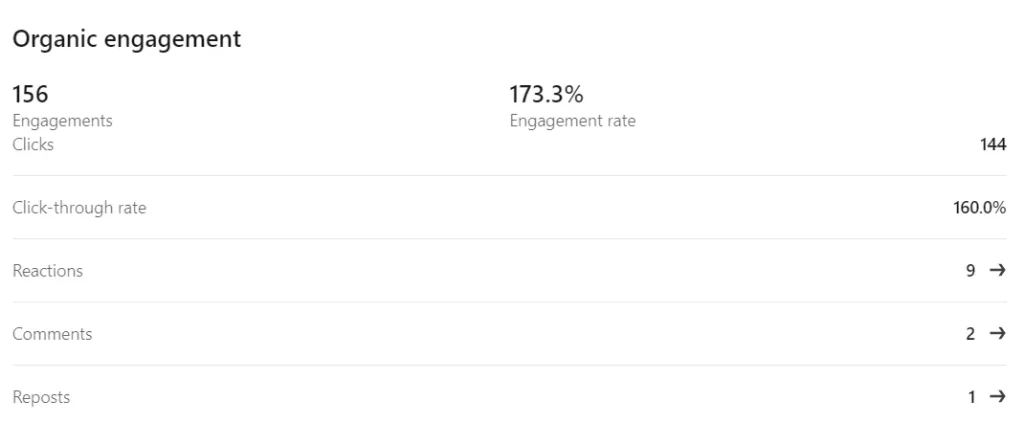
Organic social media is the content you publish without paying the platform to distribute it.
Think of the LinkedIn posts you’re already doing, your Instagram Reels, TikTok videos, Facebook updates etc.
Organic content gives people a reason to discover, follow and more importantly - trust your business. It’s also where you can demonstrate the personality behind your brand.
But organic social media isn't really free.
Creating good content requires time, creativity, strategy and consistency. Whether that's being delivered by someone internally or outsourced to a social media management agency, there's still an investment being made.
What is paid social media?
Paid social media is advertising that allows you to put your business in front of specific, targeted audiences.
Rather than waiting for someone to discover your content organically, platforms such as Meta, LinkedIn and TikTok allow you to target people based on different signals, including demographics, interests, behaviours and previous interactions with your business.
Paid campaigns can be used to:
- Increase awareness
- Drive website traffic
- Generate enquiries
- Promote an event
- Retarget people who already know your brand
- Generate sales
It gives you greater control over distribution, but paying for reach doesn't automatically make the content good.
And that's where businesses can waste a lot of money.
Organic vs paid social media: which is better?
Neither.
That's probably not the answer you were hoping for (but at least this is pretty early in the article), but there isn't a universal winner.
Rather than trying to find the answer, think about them as having two different roles.
Organic social builds the brand. Paid social amplifies it.
Organic gives someone the opportunity to understand who you are, see your expertise, hear from your customers and decide whether they trust you.
Paid gives you the ability to put the right message in front of more of the right people.
The strongest social media strategies recognise the value of both – where your organic is supported by paid, and vice versa.
Why we'd normally start with organic

If we're working with a business that hasn't yet established its messaging, audience or content strategy, immediately throwing money into advertising usually isn't our first recommendation.
You need to know:
- Who are we trying to reach?
- What do they care about?
- Which messages resonate?
- What action do we want them to take?
Organic content gives you an opportunity to learn and helps the platform and the algorithm understand who you are and who you serve.
You can test different messages, formats and topics and use the resulting data to understand what your audience responds to.
That's valuable information when you later decide to put advertising spend behind your content. Our guide to building a social media strategy for your business explores how to establish these foundations before you start creating content.
When paid social media starts to make sense
There comes a point where organic reach alone can limit how quickly you can grow, so you want a bit more from your platforms.
Perhaps you've created a piece of content that's performing particularly well, you've launched a new service you want to tell people about, or you're trying to reach a new audience. Maybe you know exactly who your ideal customer is and want to get your offer in front of more of them.
That's where paid social becomes particularly valuable.
Instead of replacing your organic activity, you're using advertising to accelerate what's already working. We've said something similar when talking about TikTok Ads: use paid media as an accelerator, not an initiator.
Don't make the mistake of simply boosting everything
There's a big difference between having a paid social strategy and pressing the "Boost Post" button every time a platform suggests it.
Before spending money, ask:
- What is the objective of this campaign?
- Who are we targeting?
- Where are we sending them?
- What happens when they get there?
- How will we measure success?
Ten thousand impressions might look impressive in a report, but if your objective was to generate enquiries and nobody took action, those impressions haven't necessarily delivered what the business needed. This is why we believe data-driven analytics should sit at the heart of your marketing decisions.
What if your organic content is performing well but isn't generating sales?
This is another reason simply adding advertising budget isn't always the answer.
If people are engaging with your content but aren't taking the next step, paying to put that same content in front of another 20,000 people might simply magnify the problem.
First, look at:
- Your messaging
- Your calls to action
- Your offer
- Your landing page
- The customer journey
- Whether you're attracting the right audience in the first place
We've covered this in more detail in our guide to why your social media isn't generating leads.
So, how should you split your social media budget?
Sorry, another spoiler… There isn't a magic 70/30 or 60/40 formula.
And we'd be wary of anyone who tells you there is without understanding your business.
An established ecommerce business with strong creative assets and a proven conversion funnel could reasonably invest heavily in paid social.
A professional services business selling a high-value service with a long decision-making process may benefit much more from thought leadership, case studies, LinkedIn content and relationship building.
A new business still trying to establish its audience might be better investing in strategy and content before putting significant money into ads.
Your budget should follow your objective - not a generic formula.
What should established businesses invest in?
For growing businesses, we'd normally look at the bigger picture rather than treating organic and paid social as two separate activities.
That might mean investing in:
- Strategy – knowing what you're trying to achieve and who you're trying to reach.
- Content – creating material that's genuinely worth seeing.
- Organic distribution – consistently building your audience and credibility.
- Paid distribution – amplifying the strongest messages to targeted audiences.
- Measurement – understanding what's contributing to leads, sales and wider business goals.
That's when social media starts becoming a marketing system rather than a collection of posts. If your current activity feels reactive rather than strategic, our Social Media Strategy service explains how we help businesses create that roadmap.

Can a social media agency manage both?
Absolutely! And for established businesses, having one team looking at both can be particularly useful.
At Youbee Media, we don't see organic content, paid campaigns and wider marketing activity as completely separate things. Our team looks at what the business is trying to achieve first and then considers the right combination of channels, content and campaigns to support it.
Sometimes the answer is paid advertising, sometimes it's improving the organic content first. Sometimes there's a completely different marketing opportunity that will add more value.
That's where having a strategic marketing partner can make a difference: the recommendation shouldn't be based on what somebody wants to sell you; it should be based on what your business actually needs.
Final thoughts: organic vs paid social media in 2026
Organic social media is by no means dead.
Paid social isn't a shortcut.
And you don't necessarily have to choose between them.
The strongest approach is understanding what each can achieve and using them at the right point in your marketing strategy.
Build something worth seeing organically.
Learn what your audience responds to.
Then, when there's a strong reason to do so, use paid media to put it in front of more of the right people.
Because ultimately, the goal isn't to reach everyone, it's to reach the people who matter to your business.