
At Youbee Media, one of the biggest challenges the marketing consultancy faces is sourcing the right images for clients and encouraging them to just ‘get out there’ and take their own images. Social media is fast moving, so it doesn’t have to be perfect – but imagery for your website or publications are a bit different. Let’s take a look at some crucial elements from our team, partners and network.
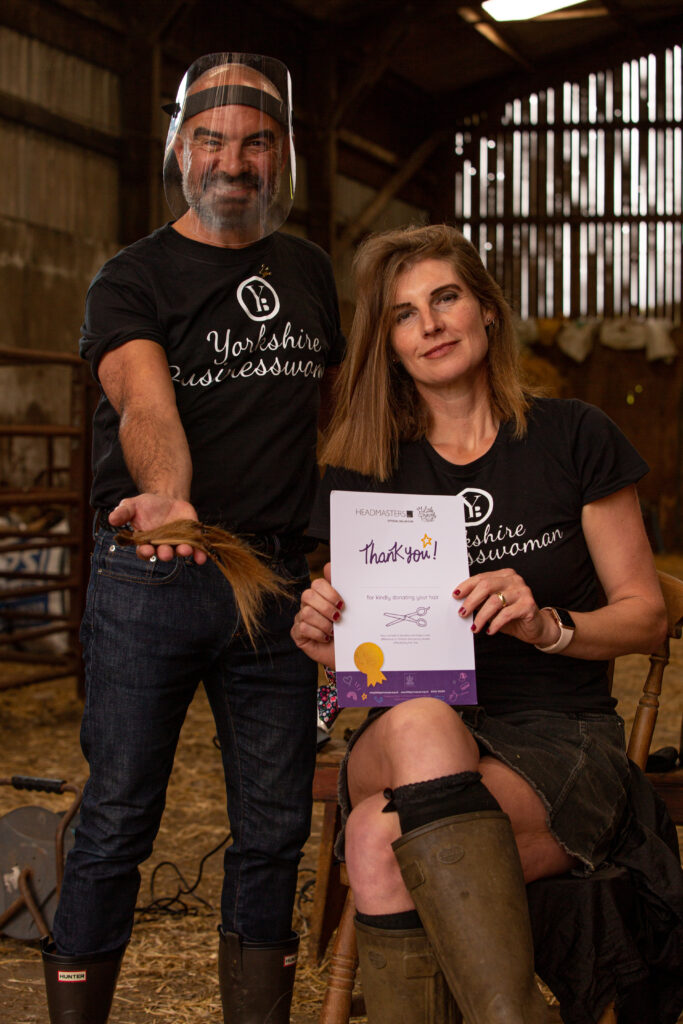
Imagery for publications from Roth Read Photography
Get Drawn In - Imagine flicking through a magazine looking for an interesting article to read. Editors and advertisers know that creative, authentic, and relatable images draw us into their articles. They understand human beings are visual creatures. Our brain not only registers images quicker than text, but also remembers them easier than words.
Story Telling Image - As the Photographers for Yorkshire BusinessWoman and TopicUK magazines, we aim to tell the story of the person being interviewed (Subject) and invite the Reader into their world.
Story telling is common in every culture, forming part of our lives from cradle to grave. Capturing a story-telling image, especially one the Reader can relate to, entices them into the article.
Location Connection - What the Subject may see as their run of the mill work-space can be fascinating to the viewer; especially when it’s artistically lit and photographed from a creative angle.
Shooting on-location presents an opportunity to creatively capture an extraordinary image. However, the subject and/or the article needs to connect to the location; not only to enhance the article but to add authenticity.
It’s All About You - Of course, our Subject should be engaging, approachable and confident.
The Editor always introduces us days before the Shoot, which offers us an opportunity to have a chat and prepare them.
On the day of the Shoot there’s plenty of time to adjust and relax, and always time for fun!
Photography basics from Youbee Emma
Simplicity is key
Photography doesn’t always have to be complex. Keeping it simple and understanding the best tips and tricks can usually be more beneficial, especially for beginners - nailing the basics of photography is the key to capturing the perfect image. Firstly (and most importantly) a step that is commonly missed, and often forgotten is – you must always remember to clean your lens! Beginning your shoot with a clean lens will make a huge difference to the sharpness of your photo.
Think about the purpose.
This will help you keep the subject the main focus of the shot which will help you understand which angles/lighting fits best. Keeping the purpose of the photo in the forefront of your mind can make a huge difference to the outcome. If you have a wide shot, ensure you have tidied the background as is suitable for your theme. If you are wanting a clean shot, ensure the background is clear of clutter and suitable for the image.
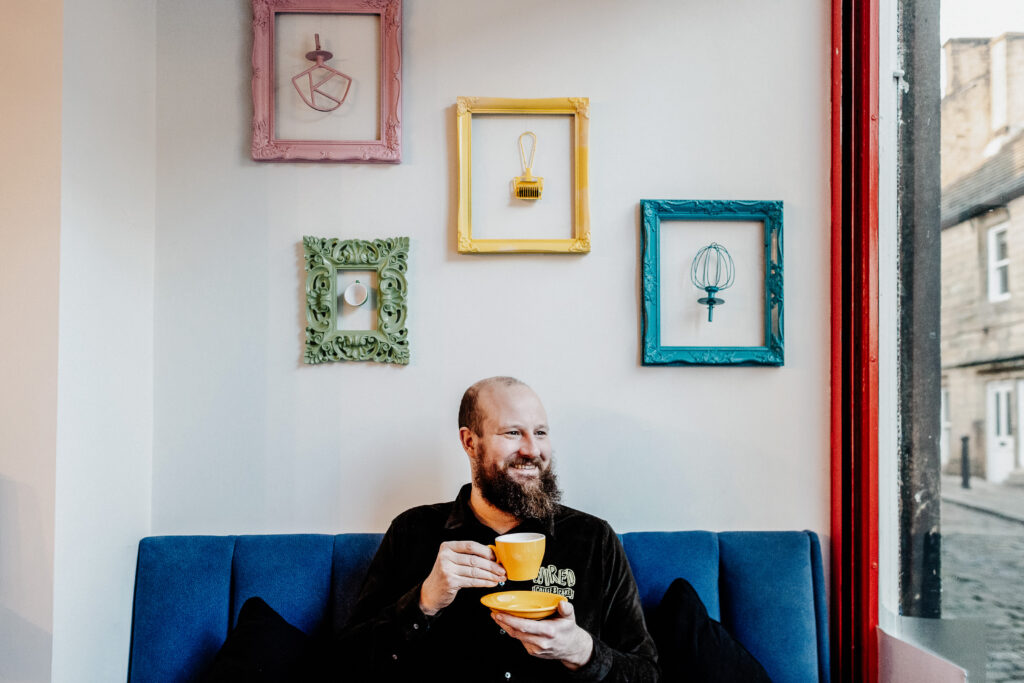
Photographing people by John Steel Photography
For the last fifteen years I have specialised in photographing people. I thought I would just take this opportunity to give you a few tips on how to get the best out of a photography session and maybe you can benefit from some of these on your next shoot.
Where are your pictures going? If you have a good idea of how you are going to use the images this may help dictate the shoot – so communicate this to your photographer. Are they for your website, social media or print? Do you have anything that you want to promote in the next few months? It’s always best to make the most of every opportunity
Choose a photographer who you trust? I have spent 15 years photographing people so I have a lot of experience in getting to know the real person in front of my camera very quickly. I also make sure the shoot is fun which results in natural pictures and not weird posed, false reactions. A good photographer should be able to do all this effortlessly.
Natural light – I find that outdoor environments result in more relaxed pictures. Often people freeze up if they head into a studio with loads of lighting.
Know what you are getting? Do your homework and ask questions before you arrange your shoot. If you get too many, too few or images that are too high resolution – it may change the direction you go in.
You don’t always need to look at the camera. Often the best pictures are when you look away, so try to stay comfortable with what you’re doing.
HAVE FUN! Just enjoy the process, have a laugh, get outside and relax
Thoughts about lighting from Youbee Dena
Photo editing apps have grown more versatile, evolving as mobile cameras have become more sophisticated. Different weather conditions can be artificially emulated, while filters add nuanced ranges of ambience. However, useful as these digital hacks are, taking an original photo with good natural lighting should never be underestimated and will give you a solid foundation, whichever direction you want to move in.
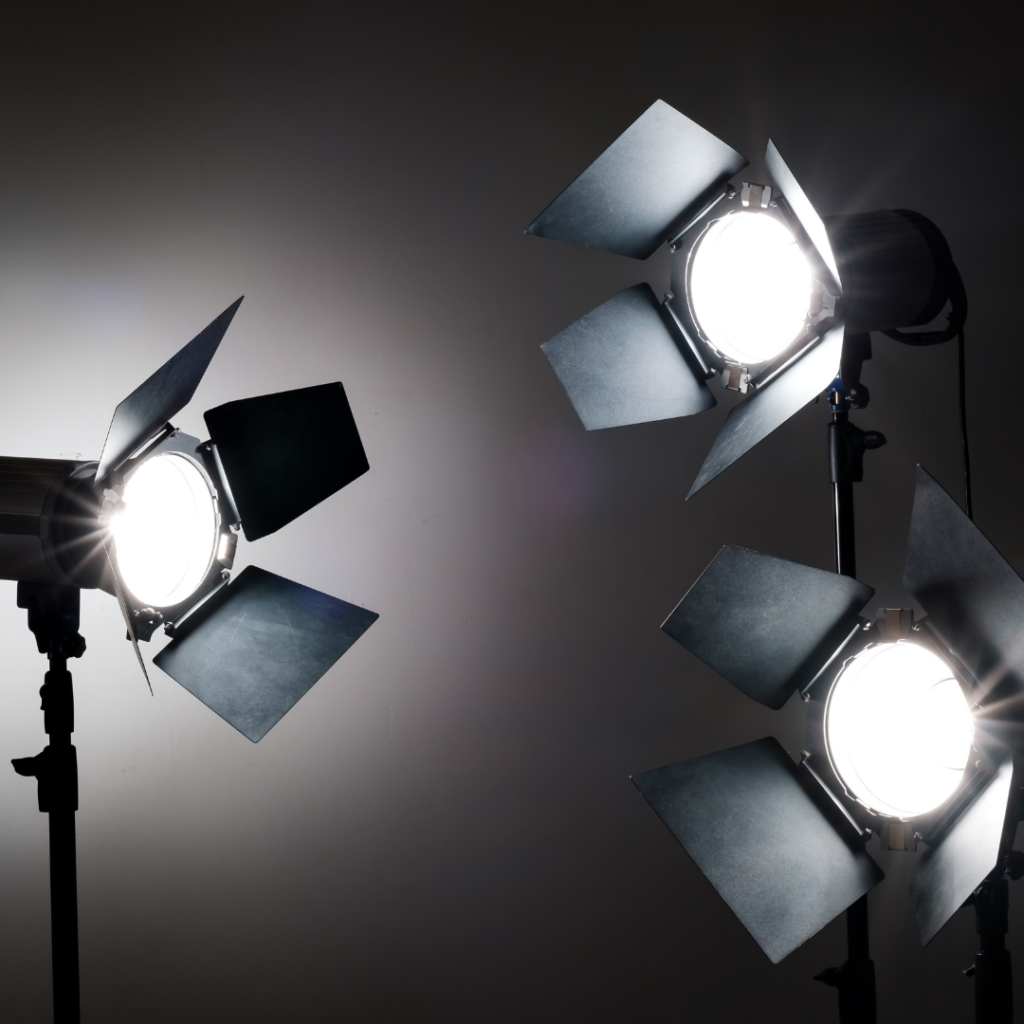
When working with natural light, pick your time of day strategically. Shadows are softer during sunrise and sunset – great for capturing landscapes and models alike. Hard noon sunlight creates dramatic shadows and angles, while boldly highlighting a subject’s contours.
Of course, natural light can also be faked – in real life, outside of the digital editing suite. Light rings and other portable pieces of equipment are now easily available. The rising popularity of ‘Personal Branding’ - and stylised Selfies inspired by influencers - means there’s a demand for gadgets that will give casual photographers an edge on social media.
Subtle aspects of lighting can also ‘make’ a photo. From accents of light in a subject’s eye, through to an enhanced lustre on cosmetics or jewellery, small lighting effects can also make a big difference to the overall feel of a photo.
Make the most of your smartphone with Chris Whittam
Utilise the light sensors - These days, the camera on your phone will have tiny lenses and sensors, so the more you can help them out with lighting the better. Avoid harsh sun unless that’s what you're looking for and try this little trick – pick up a plain shower curtain from Amazon or B&M and hang it from your window during the day to create perfectly defused light.
Mix the angles up - don't just shoot the subject as you see it. Try positioning the camera at extremes such as really high or low down. Try flipping your phone upside down so the lenses are low to the ground. It can give an amazing new perspective and may capture the viewers eye.
Try using editing software - I use an iPhone and often use the built in Photos app to make basic edits. When you’ve got your shot, click ‘edit’ in the top right corner and play about with the settings to see what works. There’s no right or wrong and it’s all down to you. If you’re looking for a bit of a juicer software try Adobe Lightroom (which is a lighter version of Photoshop).
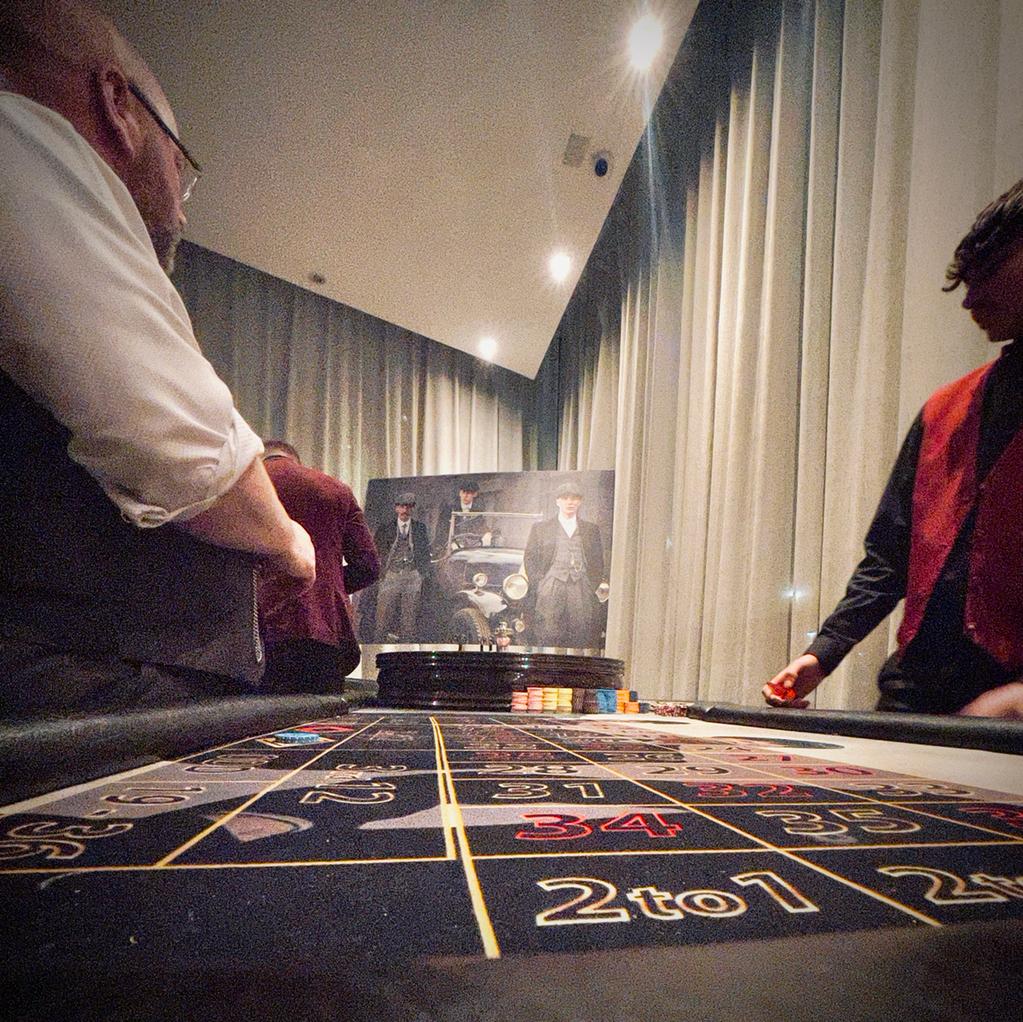
Crop - A good crop can make the difference between a rubbish picture and a great one. Consider where you’re going to be sharing your image. Remember Instagram is quite restrictive with this with either square (1:1) or 5:4 being the optimal sizes for the grid.
So, just get your phone out and have a go! If it still looks like you’ve taken it on a phone and you want more… it may be time to speak to a professional photographer about your visions and requirements.
Summing it up with Youbee Becky
There are some common elements from our team and the professionals. Essentially, great photography for marketing is about capturing a moment, showcasing your business and having some fun! Don't take things too seriously, don't overthink things and just keep your mind open to the possibilities.
If you would like to learn more about any of the tips shared by the experts - get in touch with them directly, join one of our marketing workshops or let the Youbee Media team know that you would like an introduction to level up your social media management.